


Company Profile
Pailort Materials Co., Ltd, an innovative lithium battery market leader and professional lithium battery manufacturer integrating R&D, production, sales and service, was founded in 2015 and covers an area of 8000 square meters.
Why Choose Us?
High quality
We will customize according to customer needs and accept samples. We prioritize product quality and service, and hope to attract more and more returned customers.
OEM service
We have nearly 10 years of experience in customizing products according to your needs and have collaborated with 4890 brands
Competitive price
For each new customer, we will provide special preferential policies. Welcome inquiries with expected prices!
Well after-sale service
We have a dedicated after-sales team and group to ensure the interests of each of our customers!
-
![Lithium Ion Battery for Two Wheeler]() Lithium Ion Battery for Two WheelerCell type Ternary lithium battery Nominal voltage 48V Normal capacity 12Ah Battery pack size See battery case Cycle life 1000 timesread more
Lithium Ion Battery for Two WheelerCell type Ternary lithium battery Nominal voltage 48V Normal capacity 12Ah Battery pack size See battery case Cycle life 1000 timesread more -
![Escooter Lithium Battery]() Escooter Lithium BatteryCell type Ternary lithium battery Nominal voltage 48V Normal capacity 16Ah Battery pack size See battery case Cycle life 1000 timesread more
Escooter Lithium BatteryCell type Ternary lithium battery Nominal voltage 48V Normal capacity 16Ah Battery pack size See battery case Cycle life 1000 timesread more -
![48V Escooter Lithium Battery]() 48V Escooter Lithium BatteryCell type LiFePo4/Ternary lithium battery Nominal voltage 48V Normal capacity 50Ah Battery pack size See battery case Cycle life 1000 timesread more
48V Escooter Lithium BatteryCell type LiFePo4/Ternary lithium battery Nominal voltage 48V Normal capacity 50Ah Battery pack size See battery case Cycle life 1000 timesread more -
![72V Escooter Lithium Battery]() 72V Escooter Lithium BatteryCell type LiFePo4/Ternary lithium battery Nominal voltage 72V Normal capacity 50Ah Battery pack size See battery case Cycle life 1000 timesread more
72V Escooter Lithium BatteryCell type LiFePo4/Ternary lithium battery Nominal voltage 72V Normal capacity 50Ah Battery pack size See battery case Cycle life 1000 timesread more -
![Motorcycle Lithium Battery]() Motorcycle Lithium BatteryCell type LiFePo4/Ternary lithium battery Nominal voltage 72V Normal capacity 100Ah Battery pack size See battery case Cycle life 1000 timesread more
Motorcycle Lithium BatteryCell type LiFePo4/Ternary lithium battery Nominal voltage 72V Normal capacity 100Ah Battery pack size See battery case Cycle life 1000 timesread more -
![E-moped Lithium Battery]() E-moped Lithium BatteryCell type LiFePo4/Ternary lithium battery Nominal voltage 72V Normal capacity 150Ah Battery pack size See battery case Cycle life 1000 timesread more
E-moped Lithium BatteryCell type LiFePo4/Ternary lithium battery Nominal voltage 72V Normal capacity 150Ah Battery pack size See battery case Cycle life 1000 timesread more -
![Electric Scooter Lithium Battery]() Electric Scooter Lithium BatteryCell type LiFePo4/Ternary lithium battery Nominal voltage 72V Normal capacity 100Ah Battery pack size See battery case Cycle life 1000 timesread more
Electric Scooter Lithium BatteryCell type LiFePo4/Ternary lithium battery Nominal voltage 72V Normal capacity 100Ah Battery pack size See battery case Cycle life 1000 timesread more -
![electric bike lithium battery]() electric bike lithium batteryCell type LiFePo4/Ternary lithium battery Nominal voltage 72V Normal capacity 50Ah Battery pack size See battery case Cycle life 1000 timesread more
electric bike lithium batteryCell type LiFePo4/Ternary lithium battery Nominal voltage 72V Normal capacity 50Ah Battery pack size See battery case Cycle life 1000 timesread more -
![Power Motor Lithium Battery]() Power Motor Lithium BatteryCell type LiFePo4/Ternary lithium battery Nominal voltage 48V Normal capacity 50Ah Battery pack size See battery case Cycle life 1000 timesread more
Power Motor Lithium BatteryCell type LiFePo4/Ternary lithium battery Nominal voltage 48V Normal capacity 50Ah Battery pack size See battery case Cycle life 1000 timesread more -
![Electric Motor Lithium Battery]() Electric Motor Lithium BatteryCell type LiFePo4/Ternary lithium battery Nominal voltage 48V Normal capacity 150Ah Battery pack size See battery case Cycle life 1000 timesread more
Electric Motor Lithium BatteryCell type LiFePo4/Ternary lithium battery Nominal voltage 48V Normal capacity 150Ah Battery pack size See battery case Cycle life 1000 timesread more


The battery is your electric scooter’s “fuel tank.” It stores the energy that is consumed by the DC motor, lights, controller, and other accessories.
Most electric scooters will have some type of lithium ion-based battery pack due to their excellent energy density and longevity. Many electric scooters for kids and other inexpensive models contain lead-acid batteries. In a scooter, the battery pack is made of individual cells and electronics called a battery management system which keeps it operating safely.
Bigger battery packs have more capacity, measured in watt hours, and will let an electric scooter travel further. However, they also increase the size and weight of the scooter — making it less portable. Additionally, batteries are one of the most expensive components of the scooter and overall cost increases accordingly.
Benefits of Electric Scooter Lithium Battery
Longevity
One of the primary advantages of lithium batteries is their longevity. Lithium batteries have a longer lifespan compared to other battery types, which means they can last for years without needing to be replaced. This makes lithium batteries a cost-effective choice for e-scooter manufacturers and consumers.
High energy density
Lithium batteries have a high energy density, which means they can store more energy in a smaller size compared to other battery types. This is an important factor for e-scooters as they require a battery that can provide sufficient power while being compact enough to fit within the scooter's frame.
Lightweight
Lithium batteries are lightweight, making them an ideal choice for portable electronic devices like e-scooters. A lightweight battery means the e-scooter is easier to maneuver and handle, making it a more comfortable and convenient ride for the user.
Fast charging
Lithium batteries have a faster charging time compared to other battery types. This means that e-scooters can be charged quickly, allowing users to get back on the road in no time. Additionally, fast charging also reduces the amount of time the battery spends in a state of low charge, which can help prolong its lifespan.
Environmentally friendly
Lithium batteries are considered more environmentally friendly compared to other battery types. They do not contain harmful materials like lead or mercury, making them easier to recycle. Additionally, lithium batteries have a longer lifespan, which means they need to be replaced less frequently, reducing the amount of battery waste generated.
Low maintenance
Lithium batteries require less maintenance compared to other battery types. They do not need to be fully discharged before recharging and can be charged at any time. Additionally, lithium batteries have a lower self-discharge rate, which means they can retain their charge for longer periods without needing to be recharged.
Cost-effective
Despite their numerous benefits, lithium batteries are also a cost-effective choice for e-scooter manufacturers and consumers. While they may be more expensive upfront, their longer lifespan and lower maintenance requirements make them a more affordable option in the long run.
Types of Electric Scooter Lithium Battery
Lithium iron phosphate (LFP)
Lithium iron phosphate is also known as LiFO4 and LFP batteries. These batteries utilize cathode material in combination with phosphate. LFP batteries have a longer life span and provide excellent electrochemical performance.、
Lithium cobalt oxide (LiCoO2):
This type of battery is commonly known as lithium cobaltate. Lithium cobaltate is widely used as it is known for high energy density, stability and provides high performance for portable electronics. It comprises lithium ions (Li+) and cobalt ions (Co3+) arranged in a crystal structure.
Lithium nickel cobalt aluminum oxide (Li-NCA):
Lithium Nickel Cobalt Aluminium Oxide, commonly known as NCA batteries, are compared to nickel, cobalt, aluminum, and oxygen. This type of battery is highly-suitable for high-performing vehicles.
Lithium titanate (Li-Titanate):
Lithium Titanate (LTO) batteries are unique, as they utilize a titanium-based compound as an anode material. This type of battery is known for its remarkable and high performance in terms of charging capability, high power output, and long cycle life.
Lithium nickel manganese cobalt oxide (Li-NMC)
Lithium Nickel Manganese Cobalt Oxide, or NMC batteries, combines nickel, manganese, and cobalt mixed in a cathode material. Combining all the elements offers a balanced energy density and power output.
Lithium manganese oxide (Li-MnO2)
The last major type of lithium battery is Lithium Manganese Oxide. It is commonly known as MnO2. This battery is a combination of lithium and manganese. Undoubtedly, it is a reliable and lasting power source.
Components of Electric Scooter Lithium Battery
Cathode
A conductive aluminum foil is usually used as a current collector, and then a metal-oxide is containing "lithium" is coated with a solvent, a binder, a conductive agent, and add a little conductive material. The cycle life of lithium-ion batteries is closely related to the material used in the positive electrode. Studies have shown that if lithium iron phosphate is used as the main positive electrode material, the battery cycle life is estimated to reach 30,000 times; If you choose to use the ternary system (Ni-Mn-Co NMC/Ni-Mn-Al NCA), only a few thousand times. There are many development potentials and opportunities for the positive electrode process. For example, The introduction of additives that can improve battery safety into the positive electrode process. It is one of the focuses of the future development of the lithium-ion battery industry.
Anode
As the advantages of stable cost and high safety, up to 90% of lithium-ion batteries on the market use graphite as the anode material. In the lithium-ion battery market (such as smartphones, Tesla, Gogoro, etc.) gradually pursuing the development trend of high capacity, many research teams have invested in the development of silicon-based anode materials based on silicon or silicon oxide in order to improve the energy density of the battery.
Separator
The microporous film made of polypropylene (PP)/polyethylene (PE) and other plastics, placed between the positive and negative plates to block the positive and negative electrodes to avoid battery self-discharge and short-circuit between the two poles problem. The separator is full of dense micropores, in order to make lithium ions can through, allowing the battery to form a complete charge and discharge circuit.
Electrolyte
As a medium for the transfer of lithium ions between the positive and negative electrodes, the common main components of lithium-ion battery electrolytes, including EC, DMC, and PC, etc., as an extremely important role in the performance of lithium-ion batteries. If you want to improve the battery cycle life, safety, and lithium-ion transmission characteristics, you can start to improve the electrolyte formulation and electrolyte additives. Proper lithium-ion battery electrolyte can maximize the performance of lithium-ion batteries.
How to Maintain Electric Scooter Lithium Battery
Avoid Draining Your Electric Scooter Completely
Draining your battery is not good for electric scooters. Always aim to keep your battery above 10%. One way to do this is by avoiding difficult terrains like inclines if your scooter is less than ideal for climbing.
Store Your E-Scooter In a Dry Environment at an Optimal Temperature
There is no one size fits all temperature for scooters. One way to know the ideal temperature to store yours is by going through your Electric scooter's specifications. If you cannot find the ideal temperature, then store it in areas with moderate temperatures. Ensure you avoid placing your e-scooter under the full glare of sunlight.
Don't Overcharge Your Electric Scooter Battery: Once you fully charge your electric scooter's lithium battery, the ideal thing to do is to unplug it. Also, check the manufacturer's specification for the average or maximum time it takes the scooter to charge fully.
Do Not Fully Charge Your Scooter If Storing It for Long: If you would be storing the electric scooter for a long time, you shouldn't charge it fully. You can always charge it 50%.
Always use the correct scooter charger: Even when a charger fits your electric scooter like a glove, it is not advisable to use a different charger on your scooter. Using a charger different from your designated charge could result in battery damage
Give your scooter time to cool before you plug it into the charger: After a long ride, it is always important you allow your electric scooter to cool before attempting to plug it in. Plugging it in when its temperature is not ideal could reduce the lifespan of the battery.

Factors to Consider When Choosing an Electric Scooter Battery
While selecting a battery for your electric scooter, several crucial elements must be considered to ensure the highest quality performance and toughness. Those issues help decide how well the scooter will meet your expectations in phrases of velocity, variety, and sturdiness.
The battery ability, measured in ampere-hours (Ah), immediately affects the variety of scooters. A better capability is that the scooter can travel farther for a single fee. That is particularly vital if you use the scooter for long commutes or extended rides. It’s critical to evaluate your daily mileage and select a battery that provides a buffer past this distance to avoid common recharges.
Electric scooters generally utilize lithium-ion batteries due to their favorable weight-to-energy ratio and performance. Those batteries also show off longer lifespans and higher performance below various temperature conditions compared to alternatives like lead-acid batteries. However, the selection of battery kind may vary based on budgetary constraints and private choices regarding environmental impact and protection requirements.
The battery’s burden impacts the scooter’s general weight, which affects dealing with and portability. Heavier batteries could offer more energy and extended variety; however, they can make the scooter much less maneuverable and extra tough to transport, especially if you need to carry it upstairs or load it right into a vehicle frequently.
Charging time is a significant consideration, particularly for those who use their scooters daily. Lithium-ion batteries generally fee faster than different types. For example, a short-price characteristic may be priceless if you often need to pinnacle off the battery to finish your daily activities.
Value is always a critical element. The preliminary outlay for a first-class lithium-ion battery can be better. Still, these batteries regularly offer a higher lengthy-term value because of their longer lifespans and reduced renovation desires. Evaluating the price in step with the cycle can provide a more explicit photo of the overall value offered by exclusive battery kinds.
Make sure the battery matches your electric-powered scooter model well. This now includes the physical shape, voltage, and cutting-edge requirements. An incompatible battery can decrease performance and harm the scooter’s motor or electronics.
You’ve dropped off your batteries or sent them to an electronics recycling facility, what happens to the batteries next? These are the standard steps involved in battery recycling, much of what happens at the battery recycling facility depends on the size and age of the battery. Newer technologies can make the recycling process less complex.
Batteries have to be carefully taken apart to break them down into their individual cells. Safety must be a priority as batteries can be volatile. You may have seen news articles about fires in recycling trucks or at recycling facilities when a lithium-ion battery ruptured and sparked a fire. Battery recycling companies follow practices to keep workers safe.
The first step is to discharge the batteries. The cells are tested to see if they have any capacity left. Often, some of the cells do still contain enough capacity to power a smaller item like an electronic toy or phone.
The plastic covers, any wires, and nickel solder are separated and recycled. Plastic cases can be ground into particles and melted for reuse. If you’ve ever seen computer cases or refillable insulated coffee cups that contain recycled plastic, it’s recycled materials like this that help make them.
Cells that don’t have enough charging capacity left go through ore smelting or acid leaching to recover the cobalt and lithium. There are three main processes used in li-ion battery recycling.
Pyrometallurgy (Smelting) – High temperatures that convert oxides to metals
Hydrometallurgy (Leaching) – Acids are used to dissolve ions from a solid
Direct Recycling/Physical Processes – Separation of the different aspects of the black mass powder
Plugging your charger into the wall first, before plugging it into the scooter is the safest bet for charging if you don’t have reliable instructions.
The charger has an output capacitor that is sitting 0 volts of potential when not plugged in.
If you connect the unpowered charger to your scooters battery, which is typically at 36 V up to 84 V (depending on scooter) it will discharge a huge amount of current into the 0 V capacitor. This can result in sparking and cause damage to the charger.
By plugging the charger in first, you are bringing the output capacitor voltage much closer to that of the battery. When you plug it in, the voltage difference will be much smaller and you shouldn’t get a current spike.

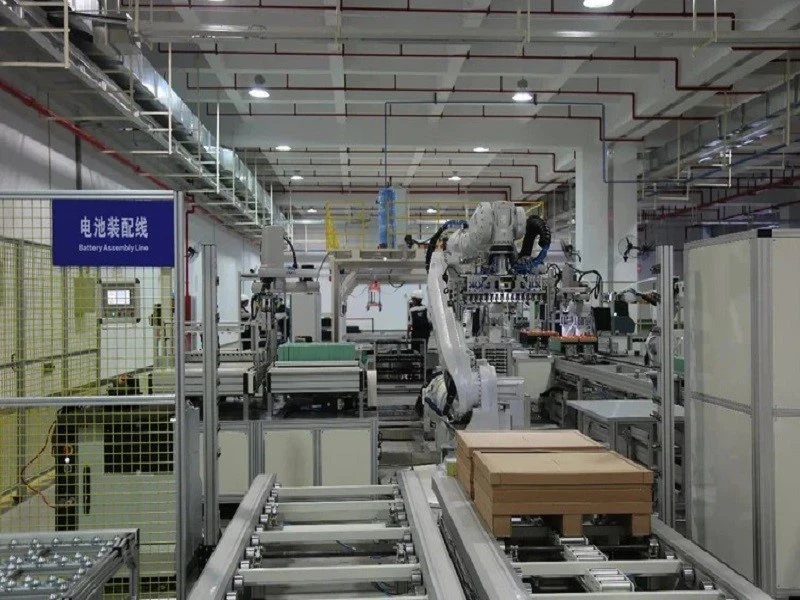
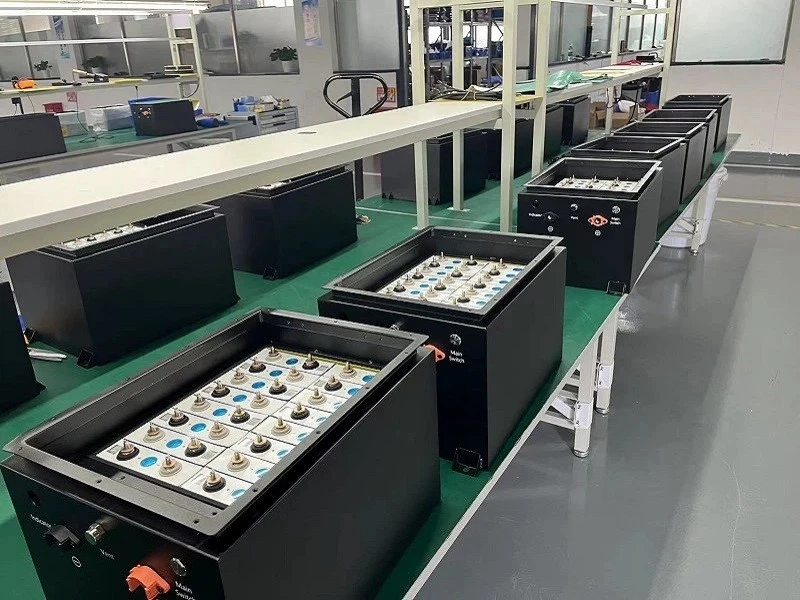
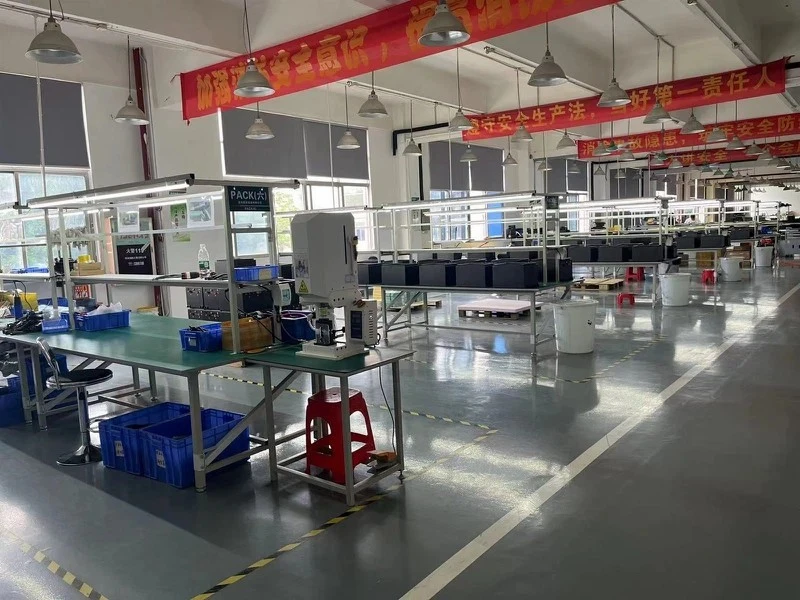
Our Factory
Pailort Materials Co., Ltd, an innovative lithium battery market leader and professional lithium battery manufacturer integrating R&D, production, sales and service, was founded in 2015 and covers an area of 8000 square meters.
FAQ
As one of the leading electric scooter lithium battery enterprises in China, we warmly welcome you to wholesale discount electric scooter lithium battery in stock here from our factory. All customized batteries are with high quality and competitive price. For quotation, contact us now.
care for golf cart battery, golf cart battery maintenance, packing of scooter battery